Common Winter Plumbing Issues and How to Prevent Them
Winter in Aylesbury can be beautiful, with frosty mornings and picturesque landscapes, but it also brings a host of plumbing challenges. As the temperatures drop, homeowners and businesses alike can face serious plumbing problems that can lead to expensive repairs if not addressed in time. From frozen pipes to water heater malfunctions, the cold weather can put your plumbing system to the test.
At RM Plumbing & Drainage, we understand the importance of keeping your plumbing system in tip-top shape during the winter months. In this blog post, we’ll highlight some of the most common winter plumbing issues and offer tips on how to prevent them from becoming a headache.
1. Frozen Pipes
One of the most common and potentially damaging winter plumbing issues is frozen pipes. When temperatures drop below freezing, water inside your pipes can freeze, causing the pipes to expand and potentially burst. Burst pipes can lead to extensive water damage, which may require costly repairs to walls, flooring, and ceilings.
How to Prevent Frozen Pipes:
- Insulate Pipes: Wrap pipes in unheated areas—such as attics, basements, or exterior walls—with pipe insulation or foam sleeves. This simple step can prevent freezing during extreme cold spells.
- Keep the Heat On: Even if you’re going away for the winter holidays, make sure to keep your home heated to at least 12-15°C (50-60°F) to keep pipes from freezing.
- Let Faucets Drip: On particularly cold nights, let your faucets drip slightly. Moving water is less likely to freeze, so leaving a trickle running can help prevent pressure buildup and freezing.
- Seal Gaps and Cracks: Check for any gaps or cracks around pipes where cold air can get in, such as around windows, doors, or the foundation of your home. Seal these up with weatherstripping or foam sealant.
2. Water Heater Problems
Cold weather can place extra demand on your water heater, especially when you’re using more hot water for showers, baths, and heating your home. This increased demand can strain the system, leading to breakdowns or inefficiency. You may notice that your water doesn’t get as hot as usual, or that it takes longer to heat up.
How to Prevent Water Heater Issues:
- Schedule Annual Maintenance: Have your water heater inspected before the winter season to ensure it’s in good working condition. A professional inspection can identify issues like sediment buildup, rust, or a malfunctioning thermostat.
- Check the Temperature Setting: Set your water heater’s thermostat to 50-60°C (120-140°F) for optimal performance. This setting is hot enough for daily use but won’t overwork the heater.
- Flush the Tank: If your water heater is older, sediment can build up in the bottom of the tank, reducing efficiency. Flushing the tank once a year can prevent this problem and help maintain your system’s efficiency.
3. Clogged Drains
During the winter months, we tend to use our drains more often. The holidays bring more cooking, cleaning, and washing, which means more grease, food particles, and other debris end up in the drain. The cold weather can also cause grease to harden in pipes, leading to stubborn blockages.
How to Prevent Clogged Drains:
- Dispose of Grease Properly: Avoid pouring grease, oil, or fat down the kitchen sink. Instead, collect it in a container and throw it away once it has cooled.
- Use a Drain Guard: Install drain guards in kitchen sinks to catch food particles and prevent them from going down the drain.
- Regular Drain Cleaning: Have your drains cleaned regularly to prevent buildup that can lead to blockages. Professional drain cleaning services can remove any accumulated debris or grease that might cause clogs.
4. Condensation and Pipe Leaks
The winter months often bring drastic changes in temperature, which can cause condensation on pipes, especially in areas like basements or attics where the temperature fluctuates. This moisture can contribute to corrosion and, eventually, leaks.
How to Prevent Pipe Leaks:
- Insulate Exposed Pipes: Insulating pipes in cold areas helps maintain consistent temperatures and prevent condensation from forming.
- Control Humidity: Use a dehumidifier in areas prone to excess moisture, such as basements or crawl spaces. This can help reduce condensation on pipes and prevent rust and corrosion.
5. Sewer Line Blockages
Winter weather can exacerbate existing sewer line issues. If your pipes are already older or cracked, freezing temperatures and pressure from frozen ground can cause these lines to break or become blocked. Blockages can lead to unpleasant backups and plumbing disasters.
How to Prevent Sewer Line Blockages:
- Inspect Your Sewer Lines: Have your sewer lines inspected before winter sets in. This is especially important for older homes or properties with tree roots near the pipes.
- Maintain Proper Drainage: Ensure that outdoor drains are clear and free of leaves or debris. In areas where snow and ice accumulate, make sure your downspouts are functioning correctly to prevent water from pooling around your foundation.
6. Frozen Outside Faucets
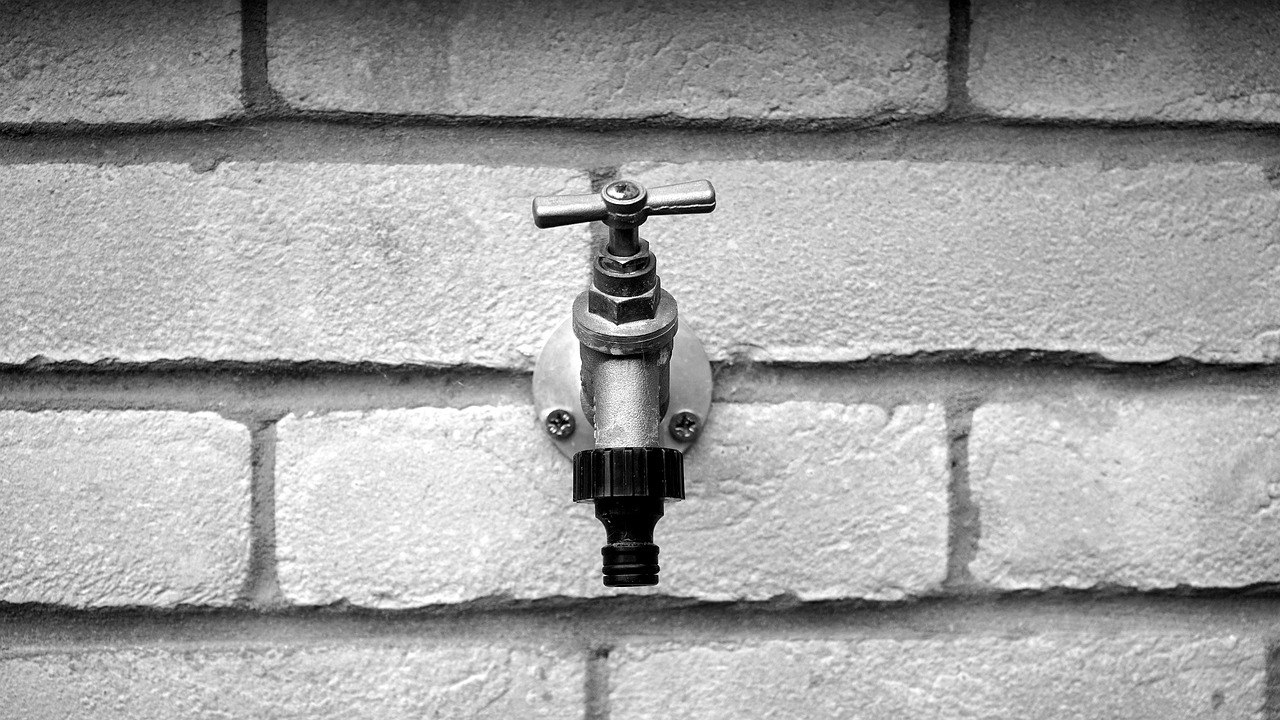
Outdoor faucets are especially vulnerable to freezing temperatures. If the water inside the faucet or attached pipes freezes, it can cause the faucet to crack, and the pipes to burst. This is a common issue for properties that have irrigation systems or hose bibs that are not properly winterized.
How to Prevent Frozen Faucets:
- Shut Off Exterior Water Supply: Before the first frost, turn off the water supply to exterior faucets, and drain any water left inside. If possible, install an insulated cover to protect outdoor spigots.
- Install Frost-Proof Faucets: Consider upgrading to frost-proof outdoor faucets, which are designed to prevent freezing and bursting.
7. Increased Pressure on Pipes
As the ground freezes and shifts in the winter, your pipes may be subjected to additional pressure. This can lead to pipe cracks, leaks, and, in some cases, complete ruptures.
How to Prevent Increased Pressure:
- Have Your Pipes Inspected: If you live in an area prone to freezing conditions, it’s wise to have a plumbing inspection before winter. A professional plumber can assess the condition of your pipes and suggest any necessary repairs or upgrades to prevent winter damage.
- Monitor Water Pressure: If you notice unusual drops in water pressure, it could be a sign that your pipes have been damaged. Contact a plumber to investigate further.
Conclusion
Winter brings unique plumbing challenges that require attention to avoid costly repairs and disruptions to your daily life. At RM Plumbing & Drainage, we’re here to help homeowners and businesses in Aylesbury and the surrounding areas prepare for the cold weather. Regular maintenance, preventative measures, and timely repairs are the best ways to ensure your plumbing system stays in good working order throughout the winter months.
If you’re experiencing any winter plumbing issues or need help winterizing your system, don’t hesitate to contact RM Plumbing & Drainage today. We offer expert advice, inspections, and services to keep your plumbing running smoothly all season long.